

Welcome to JBF!
Save money | Make money
on stylish children’s clothing and gear at your local
Just Between Friends consignment sales!
We understand! You want the best for your growing kids—but you don’t want to break the family budget.
That’s why we created these local sales where you and your friends can SAVE MONEY and MAKE MONEY on kids’ clothes, toys, shoes, and equipment—in one safe, clean, organized place—saving you time and money for other things you need...like a vacation!
Everyone deserves to feel good about providing well for their families. We have helped over 1 MILLION families just like yours afford the brands and styles they want for their kids—all while saving hundreds of thousands of dollars. Let us help YOU save money (and MAKE money), too!!

Ready to Save? It's Easy!

Find YOUR local sale
where you’ll get a safe, clean, organized shopping experience—with ROWS of amazing bargains on kids and maternity items —all under one roof!

Shop + Save
Help your kids look good and feel good without breaking the budget!
Find the best in gently-loved and new items at great savings!

Grow Community
See your neighbors and make new friends—all while supporting area families, just like yours!


“What a life saver! Things are so expensive these days & you guys made it so much easier to get more of the things I need for my little one—and maternity clothes for me! What a big help this was to me right now. I also love that as my child grows, I know I can come back and get more as well as sell things we no longer need for extra cash! Thanks JBF! I will return.”
Jenny M.
First-time Mom, Consignor & Shopper
Colorado Springs, CO
“This is my favorite consignment sale for everything child related! Everything is so incredibly organized and sorted that it makes it so easy to find exactly what you're looking for and SO many things you weren't looking for! I look forward to this sale each time and I'm never disappointed!”
Patricia A.
Mom & Shopper
Reading, PA

"This was my first time to have anything to do with JBF. My girlfriend had been several times before and being a new g-mommy she told me I MUST participate. I had so much fun! I met a lot of nice people, ran into some clients/friends, got some great bargains! I will have another new grand baby in July so I'm going to try the consigning then too! Thank you for letting me be a part of the fun!"
Laurie S.
Grandmom, Team Member & Shopper
Oklahoma City, OK
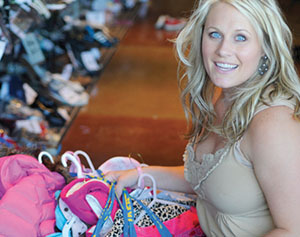
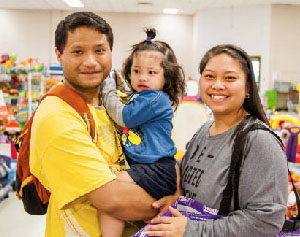
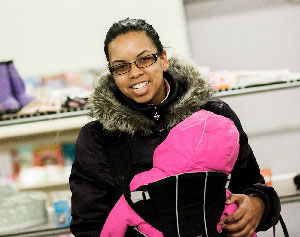
Ready to MAKE MONEY? You can SELL your items, too!
Just Between Friends is proud to bring you community-building sales where your family can save hundreds of dollars (and make hundreds of dollars) on everything you need to raise confident, stylish, good-looking kids!